Where are China's top healthcare resources located
Planning Medical Treatment in China? First Understand Where China's Top Healthcare Resources Are Located

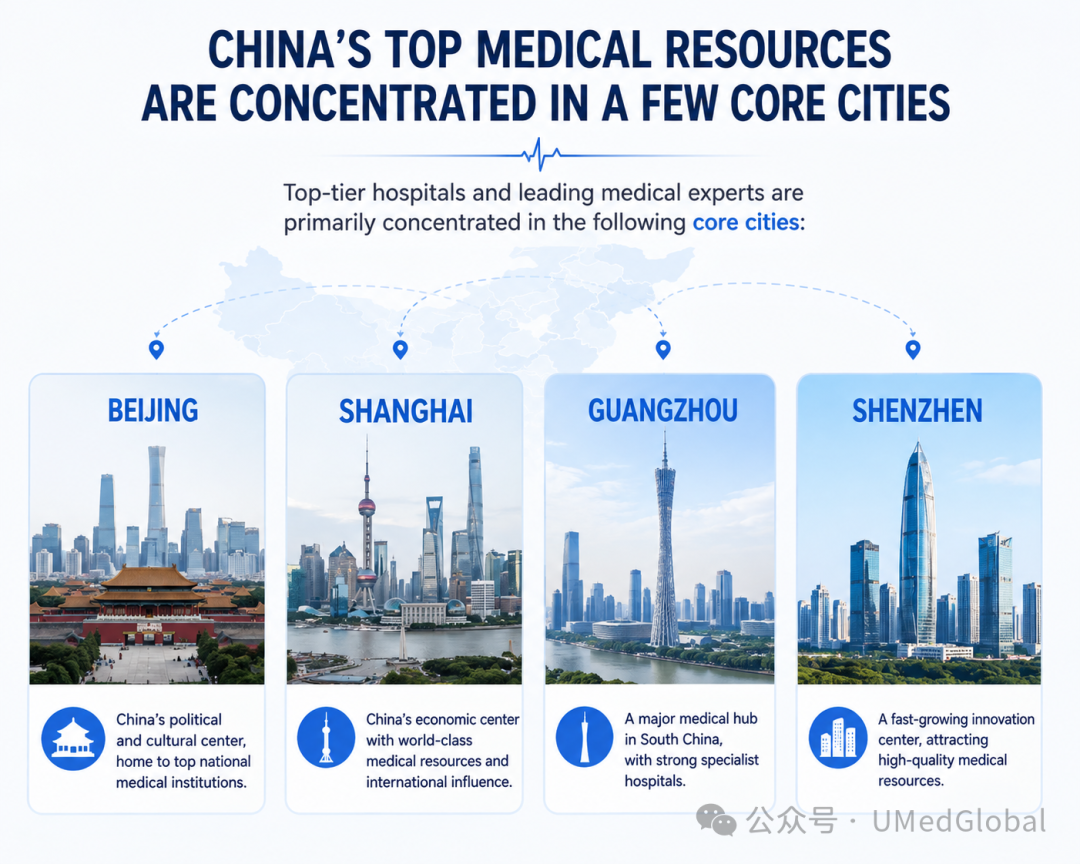
China's healthcare system features a three-tier structure, with Class 3 Grade A (3A) public hospitals (1,848 total) as the top tier. These public hospitals are the most authoritative, concentrating 93-94% of the nation's leading experts and resources. Top resources are clustered in four major hubs: Beijing: excels in rare/complex diseases and advanced surgery. Shanghai: known for international environment, precision medicine, and advanced tech. Guangzhou: a southern leader in oncology, immunology, and cardiology. Shenzhen: an emerging hub for medical innovation driven by tech and biopharma. Choosing the right city, specific hospital, and expert team is crucial, as each center has unique specialty strengths.

Read Original Article
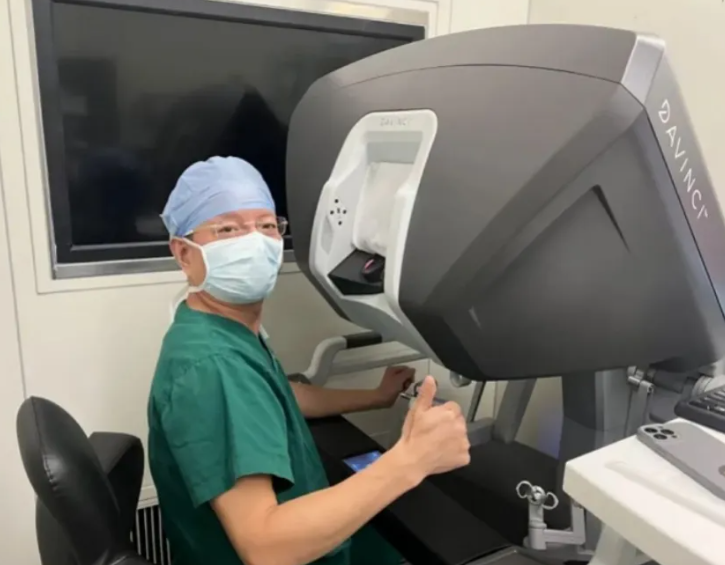
Da Vinci Lobectomy
Surgery Was Not Recommended by Global Cancer Centers. A Patient Found New Hope in Guangzhou.

A 58-year-old patient with recurrent sigmoid colon cancer and lung metastases was turned down for surgery by top-tier cancer centers like MD Anderson, who deemed the procedure too high-risk. She came back to China, and in Guangzhou, a team of specialists took on her case. Through precise evaluation and multidisciplinary collaboration, they successfully performed da Vinci robotic‑assisted right upper lobectomy in June 2026, completely removing the lesion that was tightly adhered to major blood vessels. She recovered quickly and was discharged just three days after surgery.

Read Original Article
China top-tier hospital guide

Good‑quality Healthcare Resource Distribution in China

China’s healthcare system features a three-tier structure, with Class 3 Grade A (3A) public hospitals dominating top-tier care—93–94% of the 1,848 such facilities are public, housing leading experts and advanced resources. Quality is regionally concentrated: Beijing excels in rare/complex diseases and multidisciplinary surgery; Shanghai leads in precision medicine and internationalized services; Guangzhou offers strong oncology, cardiovascular, and immune-related expertise; Shenzhen emerges as an innovation hub via biotech and tech integration. Optimal outcomes require selecting the right city, hospital, and specialist team. Tailored navigation of these resources is essential for effective treatment planning.

Systemic Lupus Erythematosus

Lupus Care in China,Not a Bill Shock.

A Hong Kong patient with Systemic Lupus Erythematosus (SLE) came to Guangzhou, China for specialist evaluation and personalized lupus treatment. This real story shows how international patients can access high-quality healthcare, experienced doctors, and affordable medical services in Guangzhou, one of China’s leading medical cities.

Mind-controlled surgery
Chinese Hospital Completes Brain-Computer Interface Surgery Enabling Thought-Controlled Device Operation

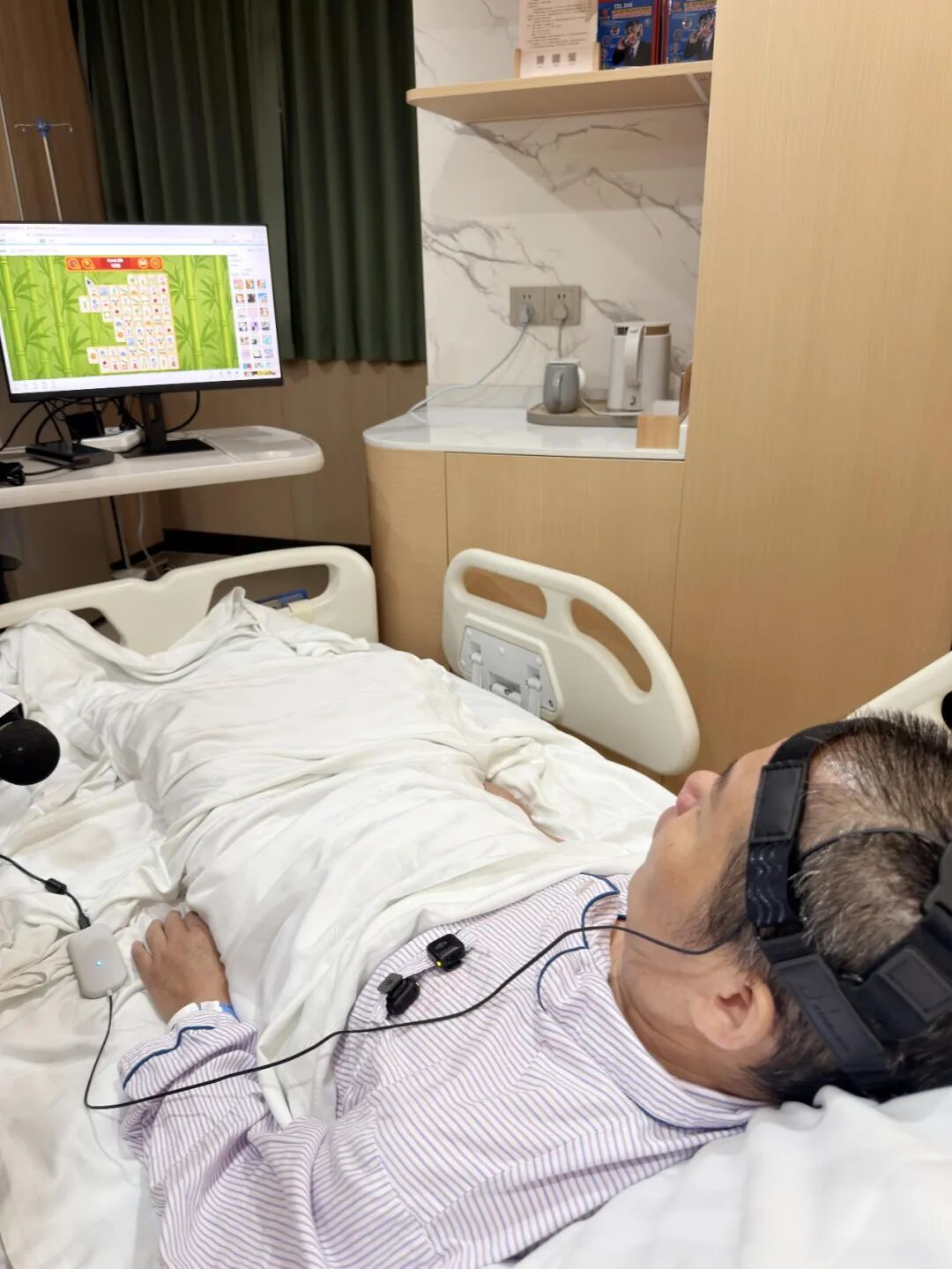
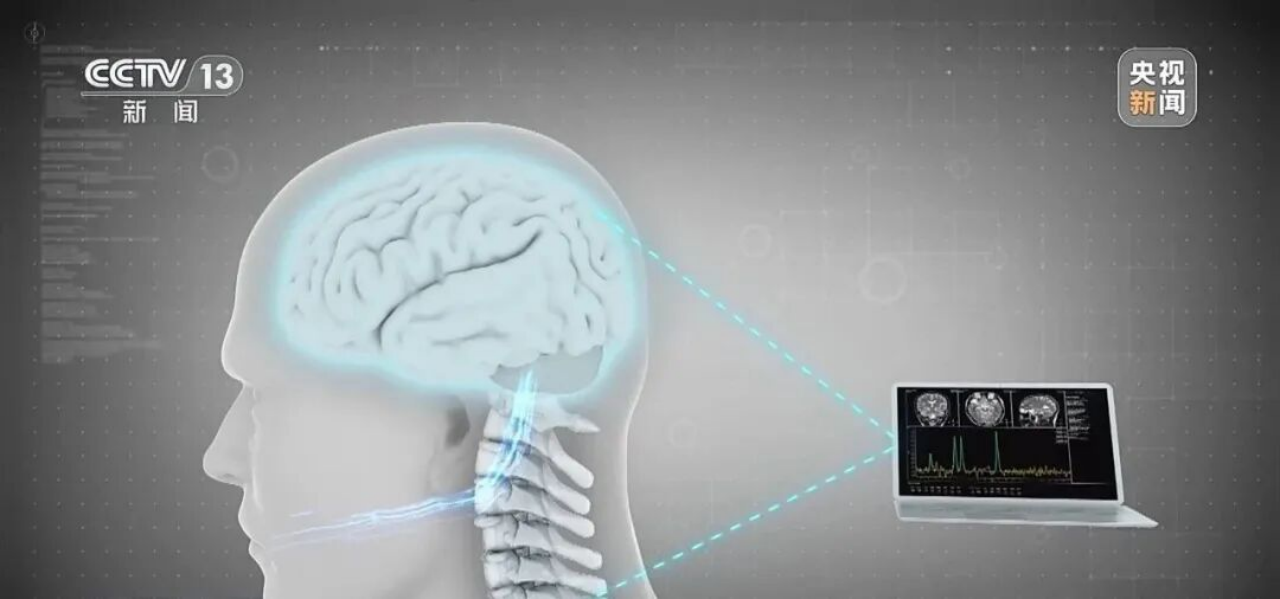
In mid-July, a hospital in Guangzhou, China, successfully completed two implantations of a domestically developed ultra-flexible microelectrode brain-computer interface (BCI) system. More than one month after surgery, two patients with high-level spinal cord injuries have been able to move and click a computer cursor using only their thoughts. The implanted brain-computer interface system successfully captured and decoded neural signals, enabling patients to control external devices through brain activity. The implanted electrodes are only 3 micrometers thick, significantly reducing potential foreign-body reactions and scar tissue formation associated with traditional brain implants. Medical experts regard this achievement as a major breakthrough in brain-computer interface technology, offering new possibilities for restoring communication and functional independence in patients with severe motor impairments.

Read Original Article
MRI-conditional pacemaker implantation
Two Hospitals in China Successfully Implant Lifetime MRI-Compatible Cardiac Pacemakers

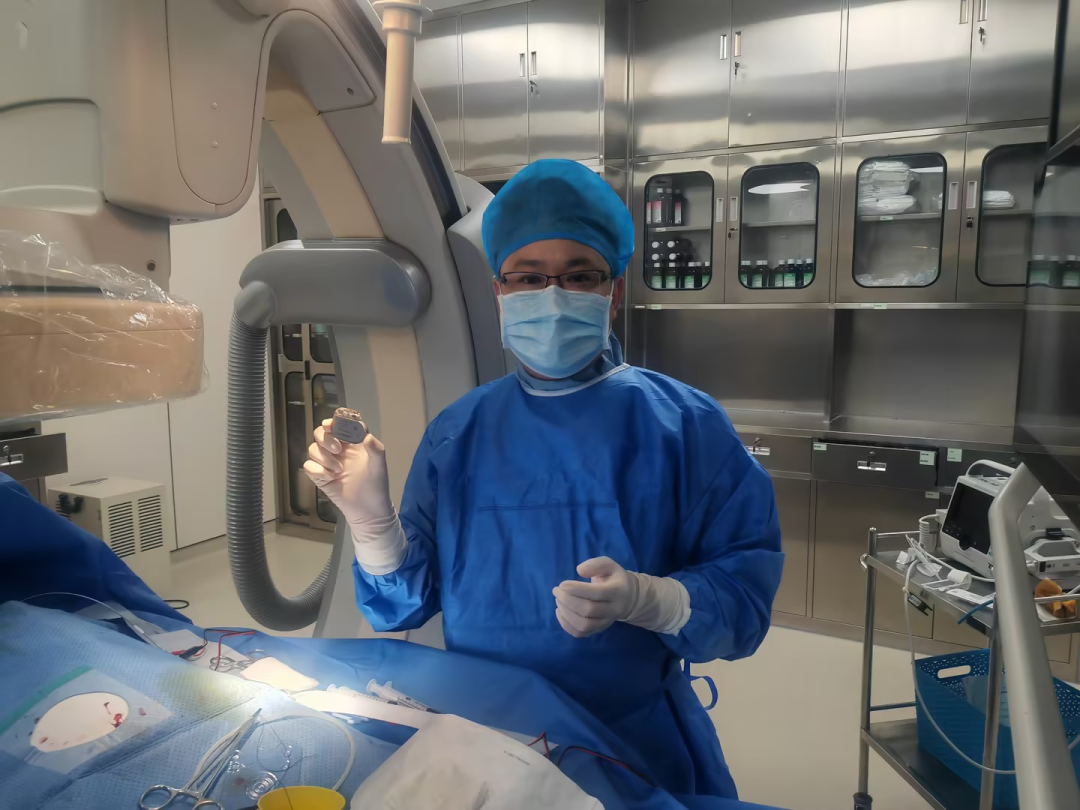
Recently, two hospitals in Meizhou and Huiyang, two smaller cities in Guangdong Province, China, have successfully completed the implantation of a new-generation fully MRI-compatible cardiac pacemaker, marking one of the first clinical applications of this advanced technology in China. An 82-year-old patient with cardiac arrhythmia received the next-generation MRI-compatible pacemaker implantation. With this innovative device, the patient will no longer need to undergo temporary removal of the pacemaker before future magnetic resonance imaging (MRI) examinations. The breakthrough addresses a major challenge in long-term medical management for elderly patients with cardiovascular diseases, who often require repeated imaging examinations during follow-up care. Medical experts believe that the successful clinical implementation of this technology represents an important advancement in improving the safety, convenience, and quality of life for patients requiring permanent cardiac pacing therapy.

Read Original Article
Hong Kong patients choosing Mainland healthcare services
Parkinson's Patient from Hong Kong Regains Mobility via DBS in Zhongshan

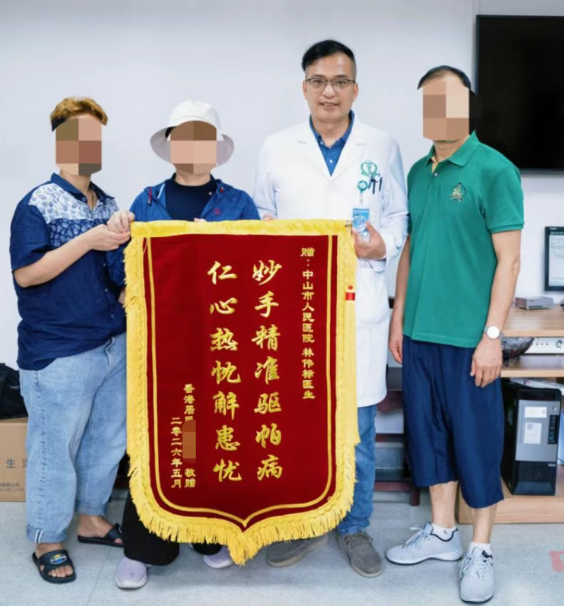
A 64-year-old female patient from Hong Kong with advanced Parkinson’s disease, presenting with refractory motor fluctuations and progressive limb rigidity despite optimized pharmacotherapy, underwent Deep Brain Stimulation (DBS) at Zhongshan People’s Hospital following unsuccessful treatment attempts elsewhere. Postoperatively, she exhibited significant symptomatic improvement, with notable recovery of motor function and substantial enhancement in quality of life. This case underscores the clinical utility of DBS as a precision intervention for mid-to-late stage Parkinson’s disease, and highlights the growing cross-regional medical collaboration between Guangdong and Hong Kong.

Read Original Article
Surgical Conversion
Chinese physicians have demonstrated that neoadjuvant immunotherapy renders 25% of patients with lung cancer eligible for subsequent surgical resection.

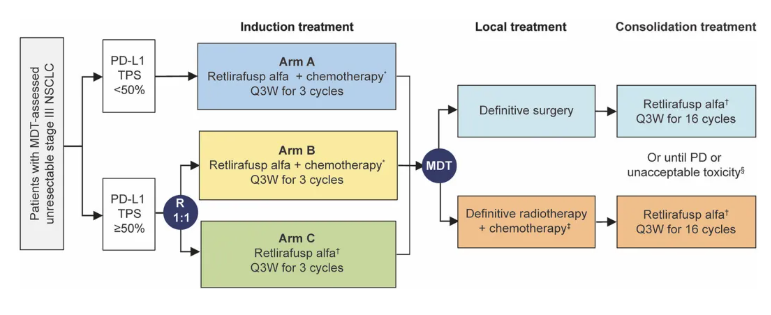
Stage III non‑small cell lung cancer remains among the most formidable challenges in clinical oncology. The current standard—chemoradiotherapy followed by consolidation immunotherapy—is undermined by frequent relapse, and up to 30% of patients never reach the consolidation phase due to progressive disease or toxicity. On June 16, 2026, Professor Wu Yilong's team at Southern Medical University published a pivotal study in Signal Transduction and Targeted Therapy, reporting updated outcomes from the phase 2 TRAILBLAZER trial of neoadjuvant retlirafusp alfa (a dual anti‑PD‑L1/TGF‑β fusion protein). With a median follow‑up of 39.4 months, patients treated with retlirafusp alfa plus chemotherapy posted a 3‑year event‑free survival of 50.5% and a 3‑year overall survival of 68.3%. Remarkably, 25% of patients with initially unresectable tumors were converted to surgical candidates following induction therapy. Among those who underwent surgery, pathologic complete response was observed in 26% and major pathologic response in 44%—figures comparable to those achieved in early‑stage resectable disease.

Read Original Article
cardiac implantation
Egg-Sized Artificial Heart Developed in China Successfully Implanted in Patients

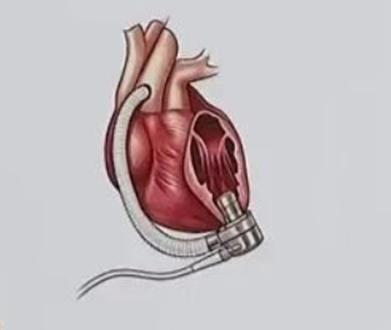
According to comprehensive reports from Chinese media, a hospital in Guangzhou, China, has successfully completed the clinical implantation of a new-generation domestically developed implantable fully magnetically levitated artificial heart. Comparable in size to an egg, this advanced life-support device was entirely independently designed, developed, and manufactured in China. With a pump diameter of only 34 millimeters, a thickness of 26 millimeters, and a total weight of approximately 90 grams, the device has achieved a global milestone by becoming the smallest and lightest commercially available artificial heart system in the world. Medical experts have described this breakthrough as a significant advancement in cardiovascular medicine, providing renewed hope for millions of patients suffering from advanced heart failure and requiring life-sustaining mechanical circulatory support. The total cost of the domestically developed artificial heart system has been reduced to below RMB 600,000, representing a nearly 40 percent decrease compared with previous solutions. All key components, core algorithms, and magnetic levitation control systems were independently developed in China, eliminating high overseas patent licensing costs and making this cutting-edge life-saving technology more accessible and affordable for ordinary patients.

Read Original Article
EXIT Procedure
Anticipating fatal asphyxia upon cord clamping, a 10‑specialty multidisciplinary team was mobilized for coordinated rescue.

In Guangzhou, China, a 35-week-and-2-day gestation fetus with a 96×70×85 mm maxillofacial mass was managed by a 10-specialty multidisciplinary team including Fetal Medicine, Obstetrics, Radiology, Anesthesiology, Oral and Maxillofacial Surgery, Neonatology, PICU, Pediatric Surgery, and Otorhinolaryngology. The infant was delivered successfully, discharged, and remains under regular follow-up, with physicians predicting a prognosis favorable for achieving normal developmental outcomes.

Read Original Article
heart valve degeneration
A team of Chinese cardiac surgeons successfully carried out repeat valve surgery for degenerated bioprosthetic heart valves.

A 72-year-old Chinese woman with a failed mitral bioprosthesis (implanted 7 years ago via sternotomy) and severe pulmonary hypertension was successfully treated by a team at West China Hospital (Chengdu, China). They performed the country's first combined transcatheter mitral valve-in-valve replacement (MVIV) via transfemoral–transseptal access with BATMAN technique—all on a beating heart, through a small groin incision, with only 10 mL blood loss. The patient was extubated immediately, walked the next day, and discharged in 7 days with excellent functional recovery. This breakthrough confirms the safety of this minimally invasive strategy and offers new hope for high-risk patients with valve failure—a first in China and rarely reported worldwide.

Read Original Article
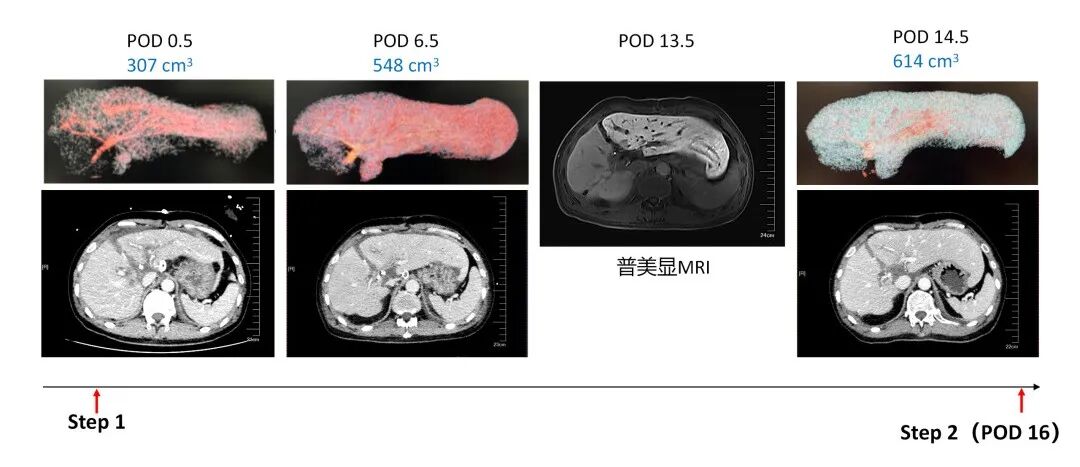
First-in-Guangdong Auxiliary Liver Transplantation with a Discarded Graft: Novel Approach Harnesses Rapid Liver Regeneration to Convert Small-Volume Hepatic Tissue into a Fully Functional Graft

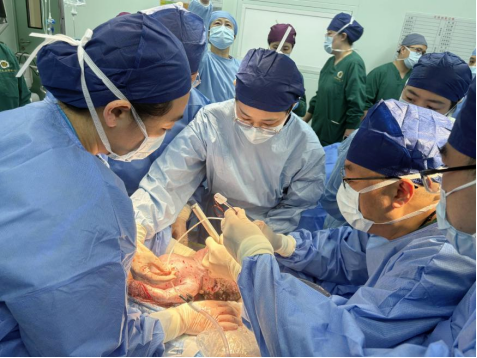
For the first time in Guangdong, the surgical team at Sun Yat-sen Memorial Hospital of Sun Yat-sen University successfully retrieved healthy liver tissue that would otherwise have been discarded from a patient undergoing resection for a benign hepatic tumor, modified the graft ex vivo, and transplanted it into a recipient with end-stage liver disease. By employing a novel technique that stimulates rapid in vivo growth of the small‑volume liver graft, the team ultimately achieved full functional recovery of normal hepatic performance.

Read Original Article
First BCI Prescription Issued in China to Restore Limb Function in Spinal Cord Injury

Mr. Xu, the first recipient of this BCI implant, lost hand grasping function due to a spinal cord injury from a car accident 10 years ago. Surgeons at Shanghai Huashan Hospital implanted electrode arrays in a procedure intended to allow him to perform grasping movements and regain daily living skills. The medical team reports that the device will be turned on and fine‑tuned after the surgical incision heals. Rehabilitation specialists will make home visits to guide standardized training, with gradual restoration of hand function expected through consistent practice. The NEO system, a domestically developed brain‑computer interface, decodes brain signals from the epidural space to identify the patient's movement intentions, and relays commands to external assistive devices that compensate for lost hand function. The device received regulatory approval in China on March 13, 2026.

Read Original Article
Hysterectomy
In a rare medical case, a woman lived for 60 years without knowing she had two uteri.

In Guangzhou, China, a woman in her 60s consulted a physician and was unexpectedly found to have a rare congenital anomaly: uterus didelphys with duplicated vagina and cervix. Ms. Li, who had never given birth, was admitted for surgery due to a giant uterine fibroid. During preoperative evaluation, the incidental discovery uncovered a physical secret that had remained hidden for half a century. Surgeons at Guangdong Clifford Hospital performed the operation. The resected specimen clearly revealed two small‑sized uteri, with a giant leiomyoma of firm texture in the right uterus; the cut surface appeared grayish‑white and showed evidence of degenerative changes. The patient recovered uneventfully postoperatively, and the bothersome symptoms that had troubled her for over a year—including bleeding, pelvic pressure, and urinary frequency—resolved completely.

Read Original Article